EL. CAUTIVO.
Director: Alejandro Almenabar
Country :Espanha , Itália
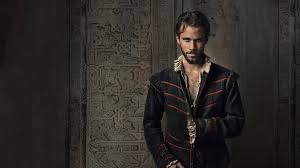
This film, with great intelligence and imagination, brings us the work of Don Quixote through the construction of a period in the life of Miguel de Cervantes.
Although it is a work of fiction, the script invites us to relate Miguel to the character of Don Quixote and to the literary style presented in the work that will be written after the period he was imprisoned in Algeria.
Miguel was arrested on a ship after being wounded in combat, in which he lost his left hand. The film begins with his arrest. There, he begins to read the writings of a priest who spent his days writing stories. Although none of the other prisoners were interested in reading them.
Cervantes, then, in order to bring some relief to the forced and terrifying confinement, since from time to time someone was beheaded, used his imagination to transport the listeners of his stories to a new space and time. He created within the prisoners another world full of adventure, love, and hope, to contrast with the harsh reality of the dungeon in which they were confined.
This ideal, imaginary world he proposed was so successful that every day he was asked for more stories. Until the Pasha in charge of the dungeon called him to tell him stories too. He entered the Pasha's palace and thus began to enjoy the luxury and freedom of being able to leave, eventually. The Pasha was a Christian who had converted to Islam.
Miguel, having run out of imagination, resorts to a book of comedies. He realises that this style appeals to everyone, especially those at the palace. Here we see the connection the film establishes between stories of ridiculous and pathetic situations involving the protagonist and the pleasure of listening to them. This greatly surprises Cervantes in the film.
Paxá is sexually interested in Miguel, who sees this relationship as an opportunity to gain the trust of the owner of the house.
Thinking of his fellow prisoners, he asks them to go out, even if it means doing some work, to see the world outside the thick stone walls. But, in addition, he devises an escape plan that would be carried out on one of these outings.
The priest reports him to the Pasha, who, in a fit of rage, orders Miguel to be hanged.
Cervantes, in the height of his pain, remembers that when he asked the Pasha if he did not miss the Christian God, he replied that he had replaced him with ‘small pleasures’. There he was, providing a ‘small pleasure’ of revenge. He pretended to be dead before the fatal strangulation and was saved.
The film shows us that the revenge of the Pasha or the priest, driven by envy, or even the laughter provoked by the situations of humiliation or pain contained in the stories that provoked laughter, are all ‘small pleasures’ , perverse , that use the other as an object, dehumanising them.
It is very interesting how the film relates Don Quixote to these experiences created for Miguel de Cervantes.
The priest's betrayal reveals to Miguel that it is useless to take the easy way out to get what you want, whether by betraying or giving in to the king's desires. For the path defines the end. Not the end of the path.
Furthermore, the priest's envy is not only because he wants to be in Miguel's place and enjoy the king's protection, but mainly because he wants to be Miguel and have the ability to love and think of others with respect and mercy, seeking to save them from prison and death.
This film pays a well-deserved and moving tribute to a man of such dignity and admirable talent as the writer of Don Quixote!
Esse filme com muita inteligência e imaginação nos traz a obra D. Quixote através da construção sobre um período de vida de Miguel de Cervantes.
Embora seja uma obra de ficção, o roteiro nos propõe relacionar Miguel ao personagem de D. Quixote e ao estilo literário apresentado na obra que será escrita posteriormente ao período em que esteve preso na Argélia.
Miguel foi preso em uma embarcação após ser ferido em combate em que perdeu sua mão esquerda, na realidade. O filme inicia-se com sua prisão. Lá ele começa a ler escritos de um padre que passava seus dias a escrever histórias. Embora nenhuma das pessoas que lá estavam , também capturadas, se interessasse em lê-las.
Cervantes, então, afim de trazer um pouco de alívio ao confinamento forçado e aterrador pois , de tanto em tanto, alguém era degolado; usava sua imaginação transportando os ouvintes de suas histórias para um novo espaço e tempo. Criando dentro dos presos outro mundo cheio de aventuras , amor e esperança. Para contrastar com a dura realidade da masmorra em que estavam confinados.
Esse mundo ideal, imaginário. que ele propunha fazia tanto sucesso que todos os dias lhe era solicitado mais histórias. Até que o Paxá responsável pela masmorra o chamou para que lhe contasse historias também.. Entrou no palácio do Paxá e assim, começou a usufruir do luxo e da liberdade de poder sair , eventualmente . O Paxá era um cristão convertido em mulçumano.
Miguel ,já sem imaginação, recorre a um livro de comédias. Percebe que esse estilo agrada a todos, especialmente aos do palácio. Ai vemos a relação que o filme estabelece entre histórias de situações ridículas e patéticas com o protagonista e o prazer de ouvi-las. O que no filme muito surpreende a Cervantes.
Paxá se interessa sexualmente por Miguel e este vê nesse relacionamento a possibilidade de ganhar confiança do dono da casa.
Pensando nos seus colegas de prisão, solicita que estes saiam , mesmo que tendo de executar algum trabalho , para ver o mundo fora das grossas muralhas de pedra. Mas , além disso, elabora um plano de fuga que seria executado em uma dessas saídas.
O padre o delata ao Paxá que, com muita raiva, decreta o enforcamento de Miguel.
Cervantes, no auge da dor, recorda-se que, quando perguntou ao Paxá se ele não sentia falta do Deus cristão, ele o respondeu que o substituiu por “pequenos prazeres” . Ali estava ele proporcionando um “ pequeno prazer “ de vingança . Fingiu de morto, antes do estrangulamento mortal e foi salvo.
O filme nos mostra que a vingança do Paxá ou do padre movida pela inveja, ou ainda o riso provocado pelas situações de humilhação ou dor contidas nas histórias que provocavam risos, são todos “pequenos prazeres” ,perversos , que usam ao outro como objeto, desumanizando-o.
Muito interessante como o filme relaciona D. Quixote com essas experiências criadas para Miguel de Cervantes.
A situação de traição do padre, revela a Miguel que não adianta ir pelo meio mais fácil para conseguir o que se quer, seja traindo ou cedendo aos desejos do rei. Pois o caminho define o fim. Não o fim ao caminho.
E, ainda, a inveja do padre não é apenas para estar no lugar de Miguel e aproveitar da proteção do rei , mas é, principalmente, por querer ser Miguel e ter a capacidade de amar e pensar no próximo com respeito e misericórdia , procurando salva-los da prisão e morte.
Merecida e comovente homenagem esse filme faz ao homem com tanta dignidade e admirável talento como o escritor de D. Quixote!
https://youtu.be/cseDId9Ob2k?si=LCh1ZLqGxJbjFkpt


Comentários
Postar um comentário