The Most Precius of. Cargões
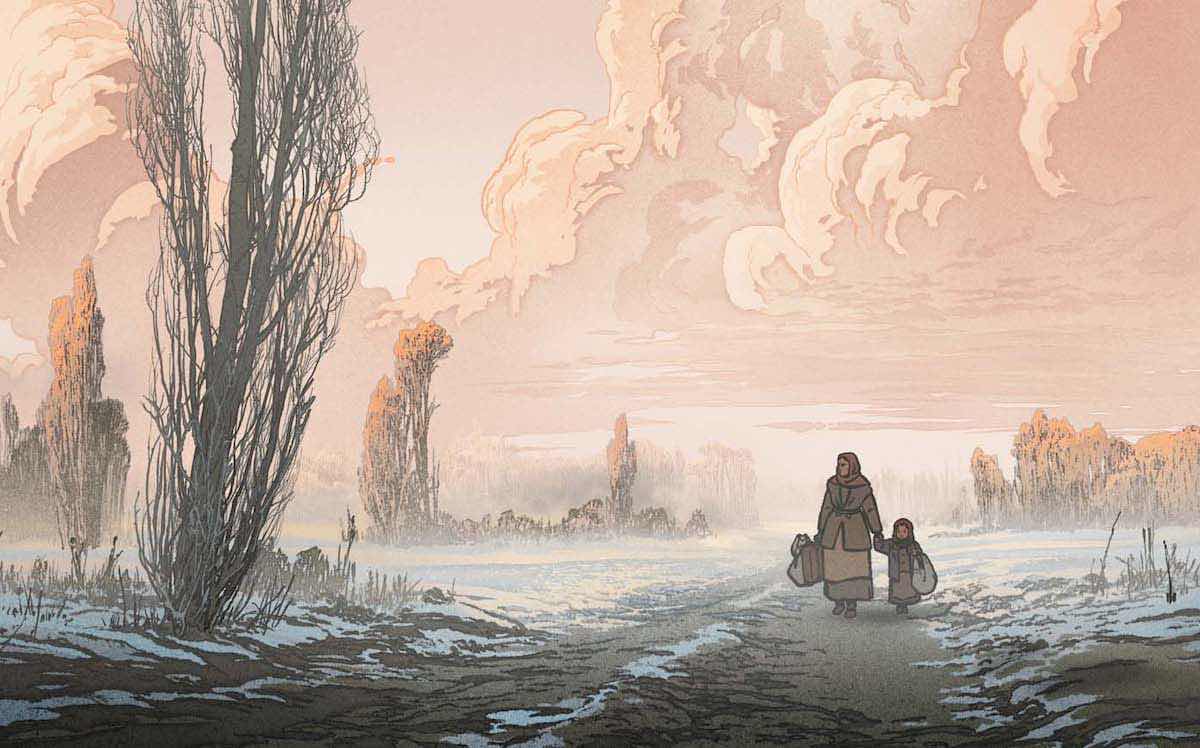
The film tells the story of a woodcutter and his wife who live in a forest, far from everything, where the only movement is the constant passing of trains. Trains that are said to be carrying goods. In this inhospitable place, the woodcutter's wife watches the passing trains in the hope that some goods will fall from them.
One day, the woodcutter is watching the train go by and hears a baby crying. The baby has fallen from the train. It is like a gift from the gods of the trains. She finds a well-cared-for baby wrapped in an expensive shawl. She takes it home. Her husband does not want the baby and thinks it will die. After all, their baby did not survive. They have no milk to feed the child. They live with
almost nothing, and the cold and hunger make their lives very difficult. It is wartime.
She manages to negotiate with a neighbour who has a goat, a portion of milk every day in exchange for firewood and her shawl. And so the baby survives.
However, in this community, they believe that people from the train are heartless beings. And you have to be careful with them. The baby who came from the train is also one of these heartless beings. And the woodcutter rejects him.
Why care for someone without a heart? Why give love and care to someone who will never recognise that gift? The woman, however, deconstructs this idea by making her husband feel the heartbeat of the girl they found.
She has a heart, and it beats. At that moment, the woodcutter's heart, hardened by a life of cruelty, deprivation, cold and loneliness, also begins to beat. And in everything he touches, he feels his own heart returning to love.
From then on, the unbearable crying and jealousy he felt towards his wife, which led him to kick her out of the house with the baby, subsided. The father he had been reluctant to be, but who had always been inside him, was born. Life slowed down, the harshness subsided. All the love stifled by the son who was gone resurfaced.
The atmosphere surrounding him is one of war and hatred. Mainly against the beings on the train, the so-called heartless ones. They must be eliminated, they are dangerous and inferior. In an outburst of love, truth and justice, the woodcutter shouts to the four winds, contradicting the thinking of the other woodcutters, that the heartless beings, contrary to what they say, do have hearts. Which means they are human like themselves. And like them, they can love and be loved.
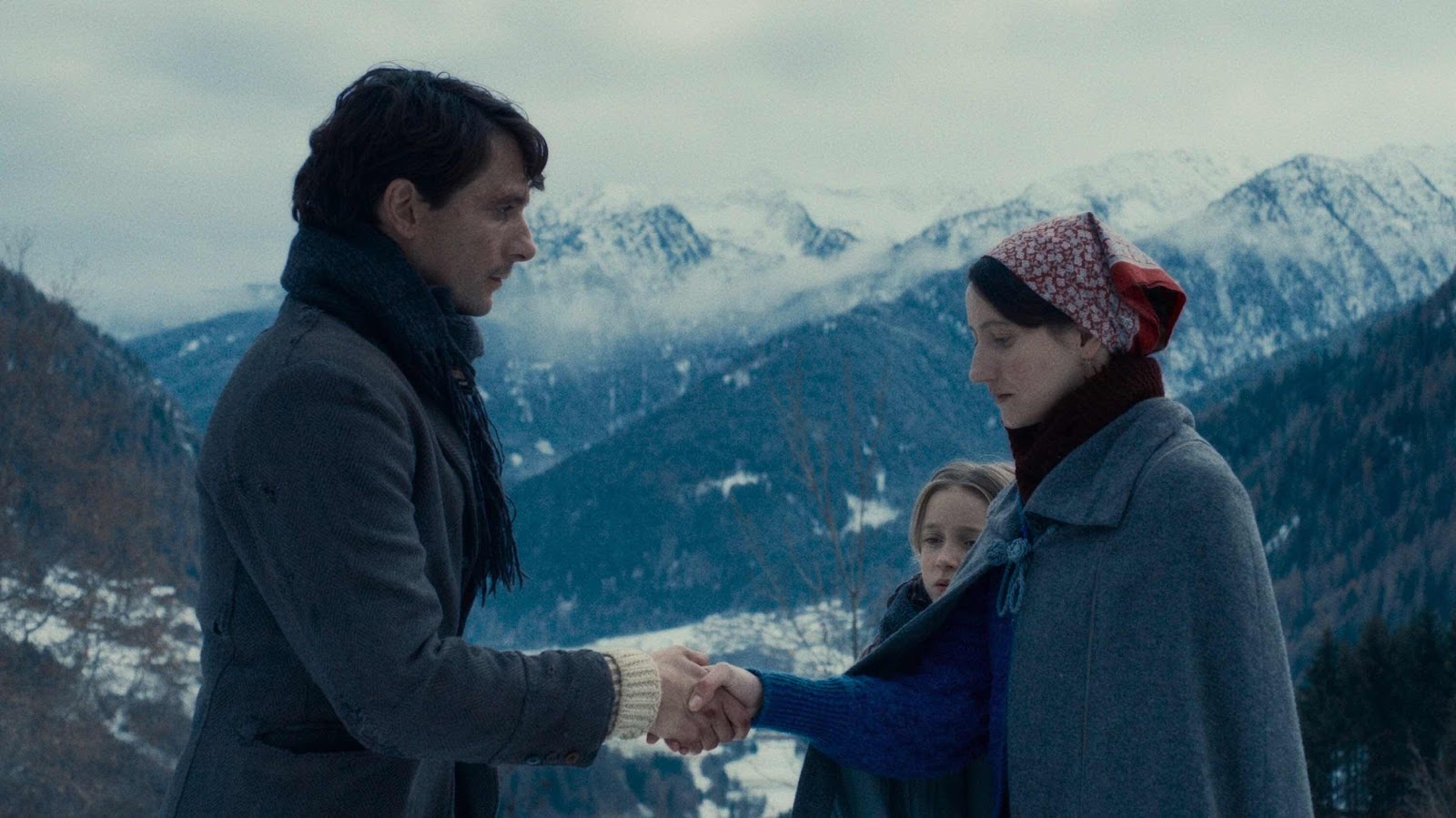
This outburst of truth catches the attention of one of the woodcutters who, suspicious, goes after his wife and discovers the baby. Later, he goes to their house armed to kill the baby. The woodcutter father defends the baby and kills the three men who came to his house, but ends up being shot in the heart. It is interesting that it was in the heart. His problem was his heart. A heart that saw injustice and the pain caused to people in the name of its absence. A lie invented to justify hatred, cruelty, and inhumanity against another human being.
Finally, we see that the ‘train cargo’ was the people being sent to concentration camps. In a sudden impulse, the father tries to save his youngest daughter by throwing her out of the train window. But it is only after a long time, seeing her on the front page of a newspaper, that he learns she has survived. And that she is telling her story with gratitude to those who took care of her. She has become a great woman. Despite the situation of war and persecution, this is the fate of parents. To bring their children into the world without knowing if they will survive and who they will become. Whether or not they will have a heart.
Português. A. MAIS. PRECIOSA. MERCADORIA
Filme nos conta a história de um lenhador e sua mulher que moram em uma floresta, longe de tudo, onde o único movimento é o passar constante de comboios. Comboios que dizem , de mercadorias. Lugar inóspito, a lenhadora assiste o passar do semovente na esperança que caia alguma mercadoria.
Um dia, a lenhadora está vendo o comboio passar e ouve um choro de criança. O bebê cai do comboio. E é como um presente , dos deuses do comboio. Ela encontra um bebê bem cuidado e envolto em um xale caro. O leva pra casa. Seu marido, não quer o bebê e acha que ele vai morrer. Afinal o bebê deles não sobreviveu. Eles não tem leite pra dar pra criança. Vivem com
quase nada, o frio e a fome torna a vida deles muito difícil. É época de guerra.
Ela consegue negociar com um vizinho que tem uma cabra, uma porção de leite diária por lenha e pelo xale. E, assim o bebê sobrevive.
Porém , nessa comunidade, acreditam que as pessoas do comboio são seres sem coração . E é preciso ter cuidado com eles. O bebê que veio do comboio também faz parte dos seres sem coração. E o lenhador o rejeita . Porque cuidar de um ser sem coração? Dar amor e cuidado pra quem nunca vai reconhecer essa doação? A mulher porém, desconstrói essa ideia fazendo o marido sentir o pulsar do coração da menina encontrada. Ela tem coração e ele bate. Nesse momento, o coração empedrecido do lenhador pela vida quase cruel , de falta, de frio, de solidão, começa a pulsar também. E em tudo que toca ele sente o próprio coração voltando a querer amar. A partir disso o choro insuportável e o ciúmes que sentia da esposa, que o levou a expulsa-la de casa com o bebê, se acalmou. Nasceu o pai que ele relutou pra ser, mas que sempre esteve nele. A vida se abrandou, a dureza , aplacou. Todo amor abafado pelo filho que se foi, ressurge.
O clima que o cerca é de guerra, de ódio. Principalmente contra os seres do comboio, os ditos, sem coração. Esses têm de ser eliminados, são perigosos e inferiores. Numa eclosão de amor, pela verdade e pelo justo, o lenhador grita aos 4 ventos, contrariando o pensamento dos outros lenhadores ,que os seres sem coração têm coração. O que significa que são humanos como eles próprios. E como eles podem amar e podem ser amados.
Esse ato de explosão pela verdade chama atenção de um dos lenhadores que, desconfiado, vai atrás da esposa e descobre o bebê. Mais tarde vai armado à casa deles para matar o bebê. O lenhador pai defende o bebê e mata os três homens que foram à sua casa mas, acaba por levar um tiro no coração. Interessante ser no coração. Seu problema era o coração. Coração que enxergava a injustiça e a dor causada nas pessoas em nome da falta deste. Uma mentira inventada para justificar o ódio, a crueldade, a desumanidade contra outro ser humano.
Finalmente vemos que a mercadoria do comboio eram as pessoas que iam para os campos de concentração. Em um ímpeto o pai tenta salvar sua filha mais nova jogando-a da janela do comboio. Mas só depois de muito tempo consegue, vendo-a na capa de um jornal, saber que sobreviveu. Apesar da situação de guerra e perseguição o destino dos pais é esse. Coloca os filhos no mundo sem saber se sobreviverão e quem se tornarão. Se terão ou não, coração.


Comentários
Postar um comentário